
What Happened to Sea Turtle Protections in 2026
For more than 50 years, the Endangered Species Act has been the reason sea turtles still swim off Florida's coast. This year, the federal government rolled back four of its core protections.
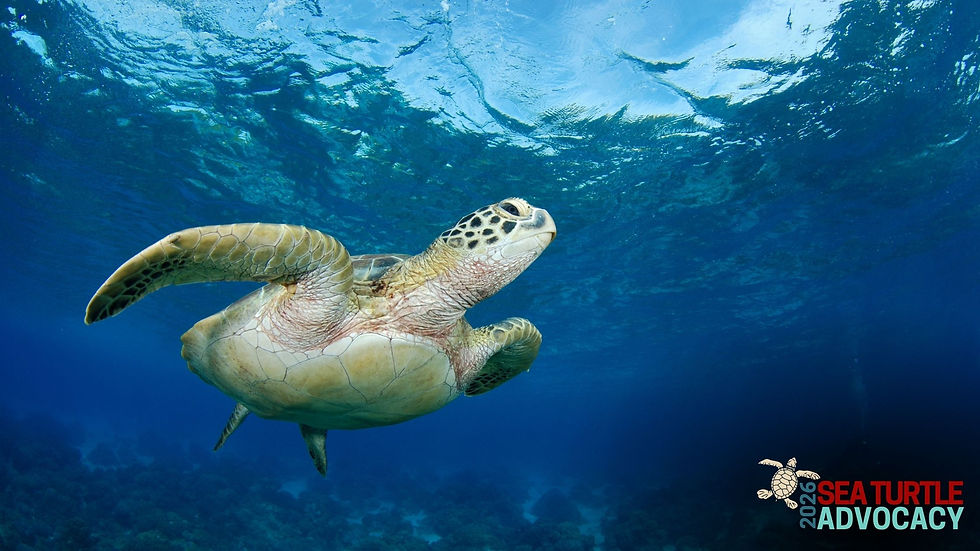
Here is what changed, in plain English, and what happens next.
The four rollbacks, in plain English
First, habitat destruction no longer counts. In July 2026 the administration finalized a rule removing habitat destruction from the regulatory definition of “harm” under the Act.
Second, “I didn't mean to” is now a defense. A September 2026 memo from the Fish and Wildlife Service director says only intentional killing counts as a violation, making harms from lights, machinery, or development far harder to prosecute when intent has to be proven.
Third, newly threatened species get less. The administration finalized removal of the “blanket 4(d) rule,” which had automatically extended protections to species listed as threatened and to their critical habitat.
Fourth, critical habitat is easier to erase. Proposed rules would make it easier to exclude areas from critical habitat designations on economic and national security grounds.
What “take” means, and why it matters
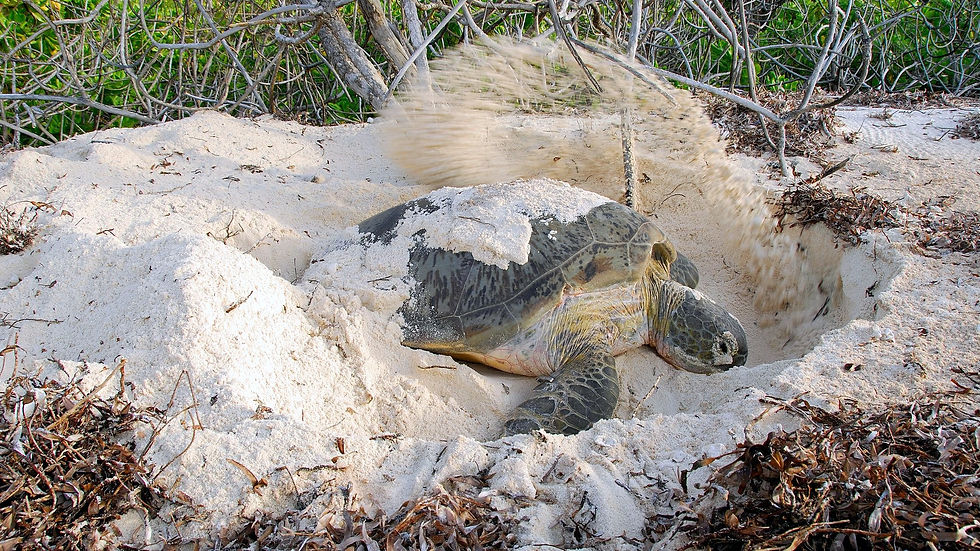
The Act prohibits “take,” which has always meant more than killing. It includes harming and harassing, and for decades courts read that to include destroying the places a species needs to survive. The new rule rescinds the longstanding regulatory definition of “harm” that made that reading explicit. For sea turtles, habitat is the whole story: the beach where they nest, the nearshore waters where hatchlings swim. Narrowing “take” to intentional killing removes the legal backstop for almost everything that actually threatens them.
The rollbacks are being challenged
Within days of the issuance of the final “harm” rule, environmental groups sued to block it, and in September 2026 twenty states and Washington, D.C. sued over the revised definition of “harm” and other ESA rule changes. Every rollback is in effect while the cases move forward. We will keep our supporters posted on rulings as they come in.

What this means for Broward County
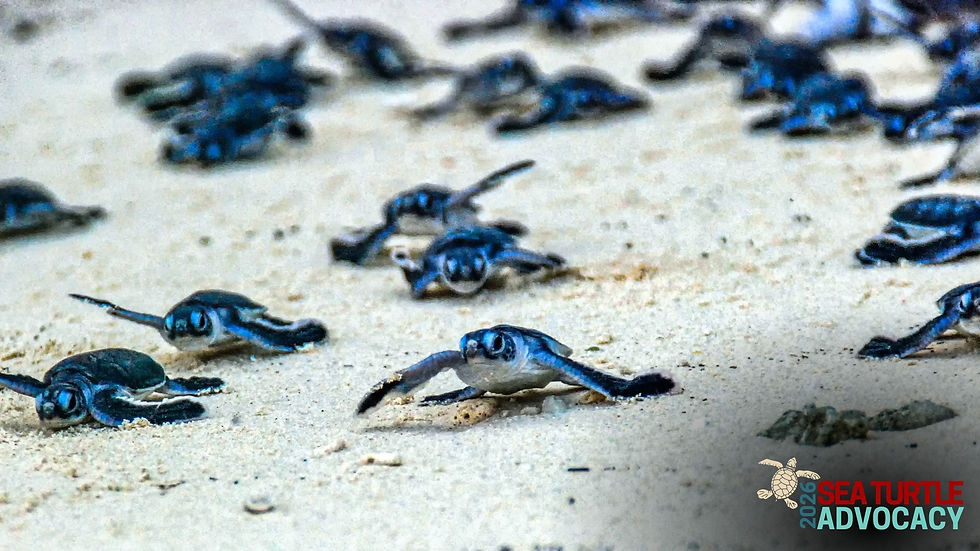
Federal protections were the floor. With the floor lowered, everything local matters more: county lighting ordinances, beach management, nest monitoring, and the volunteers who walk the sand every night of nesting season. The work did not change. The margin for error did.
Our voter guide has every key date for the November 3 election.
Sea turtles cannot vote, and they cannot file lawsuits. But you can help do both of those things in your own way. Join the mission, and we will keep you posted on every way to fight back.
Enjoyed this? Join the mission, and we'll keep you posted through Election Day.
Keep reading
Frequently Asked Questions
What exact legal changes were made to the Endangered Species Act in 2026?
Four core regulatory changes took effect in 2026:
Habitat Destruction Removal: The definition of "harm" under the ESA was revised to exclude habitat modification or degradation.
Intent Requirement for "Take": A USFWS policy memo restricted "take" violations exclusively to intentional acts directed at an individual animal.
Rescission of Blanket 4(d) Rule: Automatic protections extended to species listed as threatened were removed, requiring species-specific rules instead.
Critical Habitat Designation Exclusions: Economic and national security factors can now be used more easily to exclude areas from critical habitat designations.
Do these 2026 rule changes affect all sea turtle species immediately?
No, not identically. Sea turtles that are legally listed as endangered (such as the Hawksbill and Leatherback) still retain direct Section 9 prohibitions against direct killing or possession. However, because habitat destruction is no longer considered a form of "harm," key nesting grounds and nearshore ocean habitats for all species lose critical federal legal protections. Species listed as threatened (such as certain Green sea turtle populations) no longer receive automatic blanket protections under the rescinded 4(d) rule unless a custom rule is crafted for them.
How do these federal rollbacks impact Florida and Broward County locally?
Federal protections set the baseline enforcement standard. With that federal floor lowered, enforcement relies far more heavily on state laws, county lighting ordinances, local beach management policies, and volunteer monitoring organizations (like Sea Turtle Oversight Protection) to safeguard nesting beaches from artificial light pollution, coastal overdevelopment, and vehicle traffic.
Are these federal rule changes currently being fought in court?
Yes. Multiple legal challenges have been filed in federal court. Environmental advocacy groups like the National Wildlife Federation and Earthjustice, alongside a coalition of over 20 state attorneys general, have sued federal agencies to vacate the new rules and restore habitat protections under the Endangered Species Act.
How can local residents and supporters help protect sea turtles right now?
Vote in Local Elections: Support candidates and local ballot measures that enforce strong coastal management, lighting restrictions, and beach conservation.
Comply with Beach Lighting Rules: Turn off or shield beachfront lights during nesting season (May–October) to prevent hatchlings from becoming disoriented.
Volunteer & Donate: Support local rescue and nest-monitoring groups that patrol beaches every night.

Sources
Reuters: A timeline of Trump administration moves to weaken endangered species protections: July 10, 2026 ‘harm’ rule finalized; lawsuits; critical habitat proposals.
Karmactive: Trump Administration Narrows Endangered Species Act, Making Accidental Harm Legal: FWS Director Nesvik memo, Sept 14, 2026; Federal Register 91 FR 43300.
Cox Castle / Mondaq: The ‘Harm Rule’ Rescinding Protections Under the Endangered Species Act: Rule adopted July 14, 2026, effective Sept 14, 2026; rescinds 50 CFR 17.3 and 222.102.
The Conversation (via LA Post): 3 iconic animals show the value of the US Endangered Species Act: Removal of the blanket 4(d) rule for threatened species.

Comments