
35,011 Made It to the Water: The 2026 Season in Numbers
On the best of nights this past sea turtle season, a nest would boil just after dark and a hundred hatchlings dug out of the sand at once. Every one of them would then read the same ancient signal, the brightest horizon pointing them toward the sea.
On the hardest nights, that signal was a streetlight, disorienting the hatchlings toward danger. In those cases, S.T.O.P. and its legion of dedicated and professionalized volunteers were at the ready.
The 2026 nesting season on the stretch of Fort Lauderdale Beach patrolled by S.T.O.P. ran from March 1 to October 31. The final count is in. Take a look.
The 2026 season in numbers
Roughly 1,000 nests hatched on the beaches we patrol
35,011 hatchlings made it to the water
10,166 of them were rescued and released by S.T.O.P. volunteers after heading the wrong way
24,845 reached the sea unassisted
roughly 28% of hatchlings were disoriented, most of them by artificial light

What 10,166 rescues actually means
The simplest answer is a chance to survive.
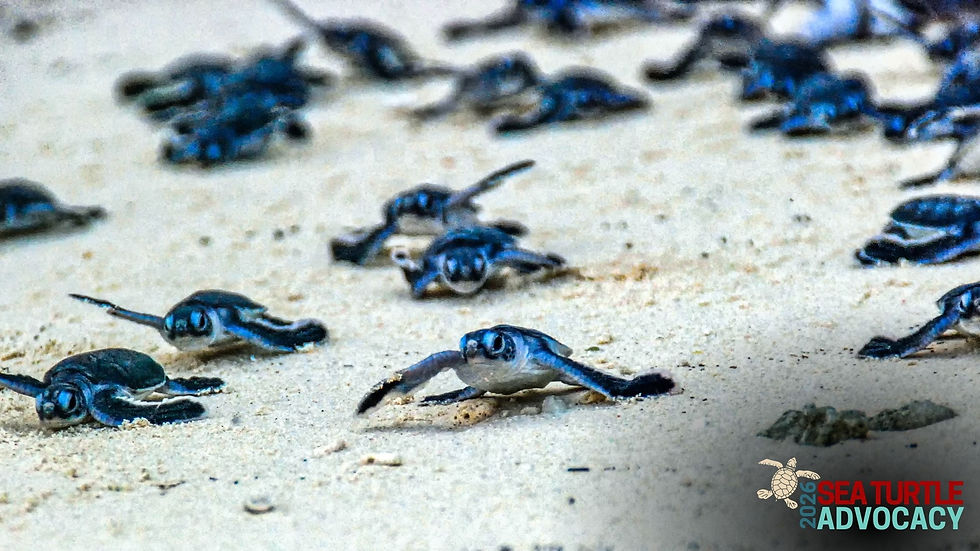
A rescue is when a watchful, trained volunteer walking a dark beach encounters a wayward two-inch turtle crawling toward a condo or street or parking lot instead of the surf. The volunteer simply redirects the newborn hatchling toward the waterline. S.T.O.P. volunteers performed that task 10,166 times this season.
That number, however, equals a roughly 28% hatchling disorientation rate. Meaning that more than 1 in four hatchlings were misled and misguided by artificial light. Hatchlings navigate by the brightest natural horizon, which for millions of years meant moonlight on water. Now it is often a parking lot, or a street lamp. The hopeful aspect of this is that problematic lighting is fixable and without adverse impact on people needing the illumination. Replacing bright light with lighting that is long in wavelength, positioned lower to the ground, shielded, and amber does not pull a hatchling off course. Making the switch to such a fixture is cost-effective.

The month the ocean pushed back
The season's last act was staged by the ocean. Through September and October, king tides washed over nests on our beach, buried markers under sand, and in the final weeks washed some nests out entirely. Our trackers documented it nest by nest into late October: stakes gone, tape broken, whole nests missing after the highest tides. We count those nests here because they happened on our watch, and because a coastline that floods higher every year is part of the conservation story whether we like the chapter or not.
For that matter, the flooding was a people problem, too. The same tidal surge that wiped out nests along the shoreline prevented proper stormwater drainage from record rainfall in communities across South Florida. Cars were ruined, homes were damaged, businesses were closed, as were schools.
It was a reminder that humans and nature are all in this together, and solving dilemmas for one requires resolving problems for the other, too.
The people inside these numbers
Every figure above has a person in it. The volunteers who walked our beach night after night. The beachfront neighbors who kept their lights low and called in disoriented and injured sea turtles instead of looking away. The partners, teachers, and volunteers carried this season's story further than we could reach alone. 35,011 is not just a number, but hope for all of us to advocate for sea turtles across Fort Lauderdale and beyond.
What happens now
The next season begins next spring. The work does not stop until then, however. Winter is when lighting gets fixed, when ordinances get written, and when new volunteers train for our next season.
On Giving Tuesday, December 1, S.T.O.P. runs Protect the Hatchlings: One day. One mission. Every hatchling saved. Gifts that day help build the Amber Light Task Force, our featured initiative turning this season's hardest number into a permanent lighting-safety program. The donations also support the wider mission behind every figure listed above in bullet points: the rescue patrols, the education work, and the advocacy that keeps protections in place. Give at https://www.seaturtleop.org/givingtuesday.
Our Giving Tuesday goal is $5,000. At 9:00 AM on December 1, the $10 Turtle Challenge opens the day: give $10 to Protect the Hatchlings and challenge three friends by name to do the same.
Membership is the other way to stand with this work: not for one day, but all year, through the quiet months when the beach is empty, and the work is unglamorous and necessary.
Every hatchling counts. Every sea turtle matters. Every person can help.
Join the mission.


Comments