
The $27 Fix: A Homeowner's Guide to Turtle-Friendly Lighting
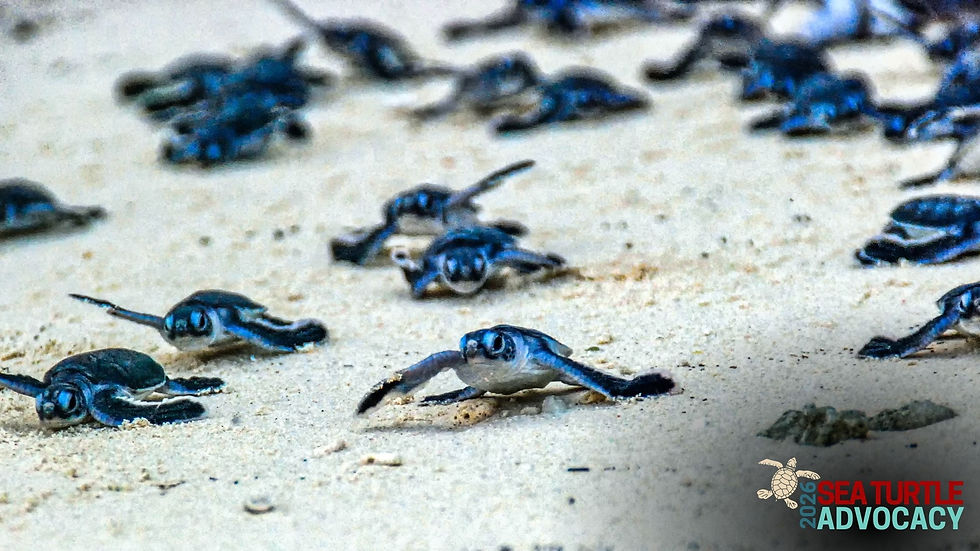
This nesting season, our volunteers documented a 27 percent average disorientation rate, with 6,492 hatchlings rescued and released. Every one of those rescues starts with a light that should have been off or amber.

Why lights are the problem
Hatchlings find the ocean by moving toward the brightest horizon, which for millions of years has been the moonlit surf. FWC advises that any exterior lighting near nesting beaches should be long wavelength, mounted low, and shielded, because a porch light, a pool deck, or a lit parking lot outshines the moon and sends hatchlings crawling the wrong way, toward roads, predators, exhaustion and death.
Long, low, and shielded
The fix follows three rules. Keep it long: use long-wavelength amber, orange, or red lighting. Keep it low: install fixtures as low as possible and use the lowest wattage you need. Keep it shielded: direct every light downward, away from the beach. FWC's own guidance boils down to the same three words: long, low, and shielded.
What it costs
A turtle-friendly amber LED bulb runs about $27. A certified turtle-friendly fixture runs about $75. And the cheapest compliance of all is $0: just turn the lights off during nesting season.
Cages are the band-aid
Every season, Broward County cages around 90 nests because, in the county's own words, not everybody is playing by the rules on lighting. Each cage has to be checked throughout the night, opened at dawn, and closed at dusk, by paid staff, all season. Florida's wildlife agency calls cages a last resort, not a solution for lighting problems. Cages treat the symptom at public expense. Fixing the light treats the cause, once.
Check your property tonight
If you live on the coast, walk outside after dark, to the shoreline and look back toward your home. If you can see your lights, turtles can too. Swap the bulb, shield the fixture, or flip the switch.
With federal protections weakened this year, local action matters more than ever.
Share this with a beachfront neighbor or business. And join the mission to keep every hatchling headed the right way.
Keep reading
Sources
Sea Turtle Preservation Society: Listen to the Pros: Florida FWC Tips on How to Help Nesting Sea Turtles: FWC's ‘long, low and shielded’ guidance.
Key West Chamber of Commerce: Monroe County Updates Lighting Requirements to Protect Sea Turtles: Long/low/shielded defined per FWC's model lighting ordinance (62B-55, F.A.C.).
Fox 49 / FWC: FWC urges beachgoers to protect sea turtles, shorebirds during holiday weekend: FWC lighting guidance; Wildlife Alert Hotline 888-404-FWCC.
Broward County Sea Turtle Conservation Program: 2026 season disorientation figures (27% rate; 6,492 hatchlings rescued and released; ~90 nests caged per season): Figures as reported in S.T.O.P. campaign materials. Add the county report link when it is published.

Comments